

Clean Energy Deployment
Cambodia’s energy transition is entering a decisive decade
Cambodia’s energy system has transformed dramatically over the past 25 years — from a fragmented, high-cost network to a near-universal national grid powered by a growing mix of domestic generation.
This progress is significant — but the next phase of the transition will be defined not by access, but by how energy is generated, balanced, and scaled.
Where the system stands today
Cambodia has already made strong progress on renewables:
- 61% of installed capacity comes from renewable energy
- Hydropower remains the backbone of the system (1,796 MW)
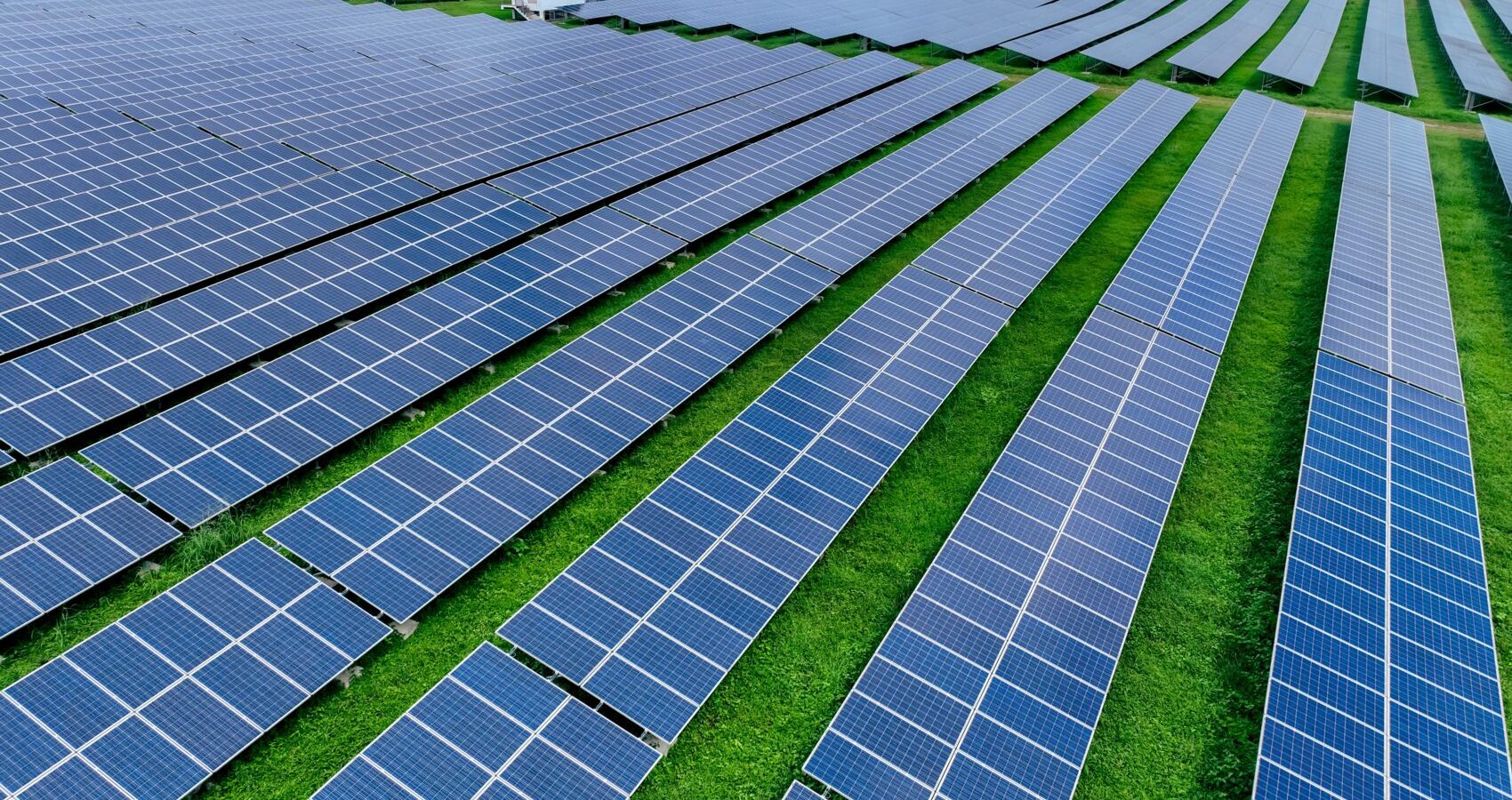
- Solar deployment is accelerating, reaching 827 MW by 2024
However, system dynamics tell a more complex story:
- Coal still accounts for ~49% of actual generation
- Around 8% of electricity is imported from neighbouring countries
- Heavy reliance on hydropower creates seasonal supply risks
How can Cambodia strengthen its energy security
Cambodia’s energy system has made remarkable progress over the past two decades. As the system continues to evolve, there are important opportunities to further strengthen its resilience and flexibility.
Cut imports
Cambodia imports over $3 billion a year of fossil fuels, exposing the country to global volatility and price shocks.
Build a resilience system
Hydropower output fluctuates significantly between wet and dry seasons.
Rapid Energy Deployment
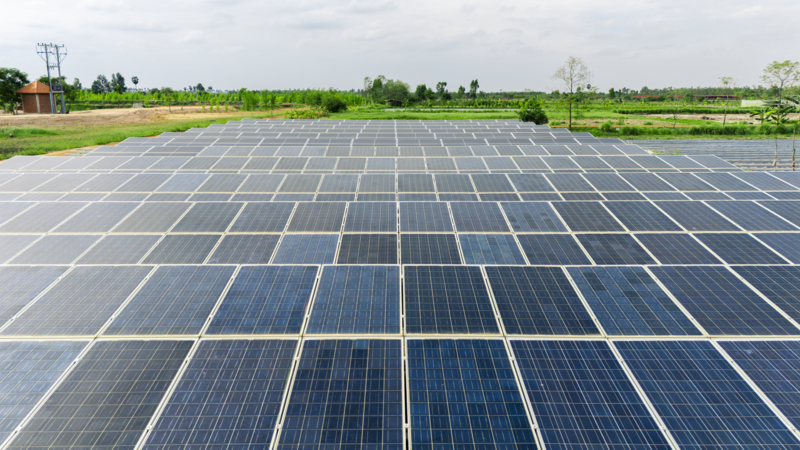
Prioritise technologies that can be delivered quickly and reliably – Large-scale thermal projects are slow and complex to deliver whereas solar power and batteries are deployed quickly and efficiently.