

Electric Vehicles
Electric vehicles are reshaping transport — and the energy systems that power it
Across Southeast Asia, EV adoption is accelerating. Governments are setting ambitious targets, costs are falling, and the shift from combustion to electric is beginning to change how countries think about their grids, their emissions, and their economic potential.
In Cambodia and Lao PDR, where clean grids and strong policy ambition converge, the opportunity is particularly significant.

Cambodia's EV targets by 2030
Why EVs matter for the transition
Transport is one of the largest and fastest-growing sources of emissions across Southeast Asia. Electrifying it is one of the most impactful steps countries can take toward their climate commitments. But EVs are not just a climate solution. They reduce fuel import costs, improve air quality, and create new economic opportunities across manufacturing, services, and infrastructure.
Cambodia — adoption and economics
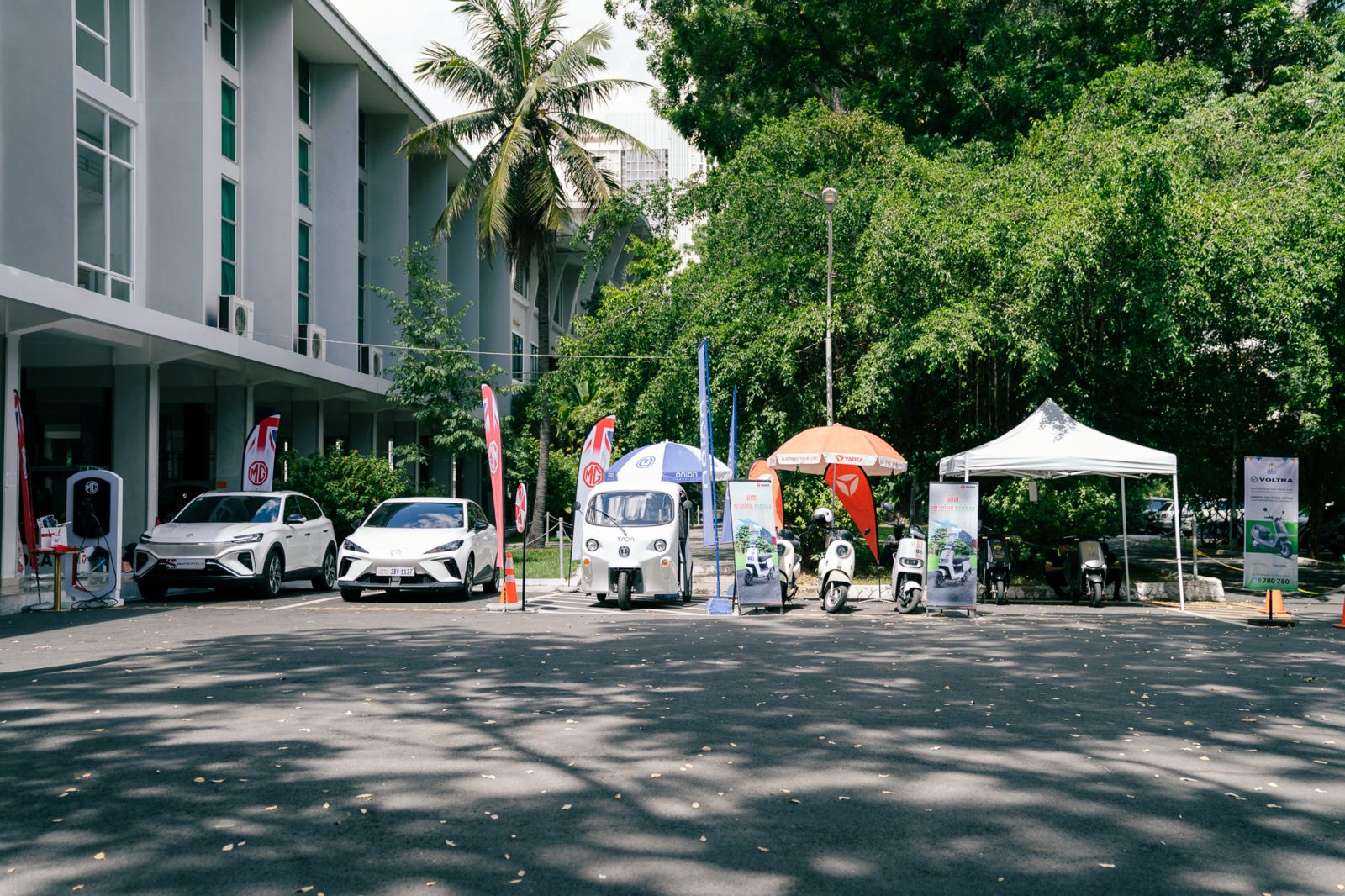
EVs are already arriving on Cambodia’s roads
In May 2024, Cambodia released its National Policy on Electric Vehicle Development 2024–2030, targeting 770,000 registered EVs within six years. As of late 2024, around 6,540 EVs were registered, with some 30 companies offering two, three, and four-wheeled options.
The economics are already compelling. Analysis by the World Bank shows it is already cheaper to operate an electric motorbike in Cambodia than a petrol equivalent. And with new maximum charging rates in place, running an electric car is now significantly cheaper than an internal combustion engine vehicle.
Deep Dive
How EVs interact with the grid — and how to get it right
Rapid EV uptake will increase electricity demand significantly. Managed well, this creates a more resilient grid. Managed poorly, it requires costly new investment in generation and infrastructure. The key is how and when people charge.
Smart charging times
Encouraging daytime charging — when solar energy is plentiful — spreads load away from peak evening demand and reduces grid strain.
Slow charging infrastructure
Slow chargers at homes, offices, and public spaces draw less power than fast chargers — reducing peak load while meeting the needs of most daily users.
Solar + EV coupling
Pairing EVs with rooftop solar — enabled by Cambodia’s new regulations allowing up to 10kW without a compensation tariff — is the cheapest and most efficient charging option available.

Looking ahead — vehicle-to-grid
In the longer term, EVs could inject power back into the grid when needed — helping stabilise frequency and build grid resilience at far lower cost than large-scale batteries. Realising this will require investment in metering, grid operations, and regulatory reform.